opinion
3 min read
Ethics of AI Voice: Consent, Deepfakes, and the Future of Audio
Explore the ethical implications of AI voice technology, including consent, deepfakes, and the need for regulation in audio applications.
V
Vocanel Hub
October 24, 2026
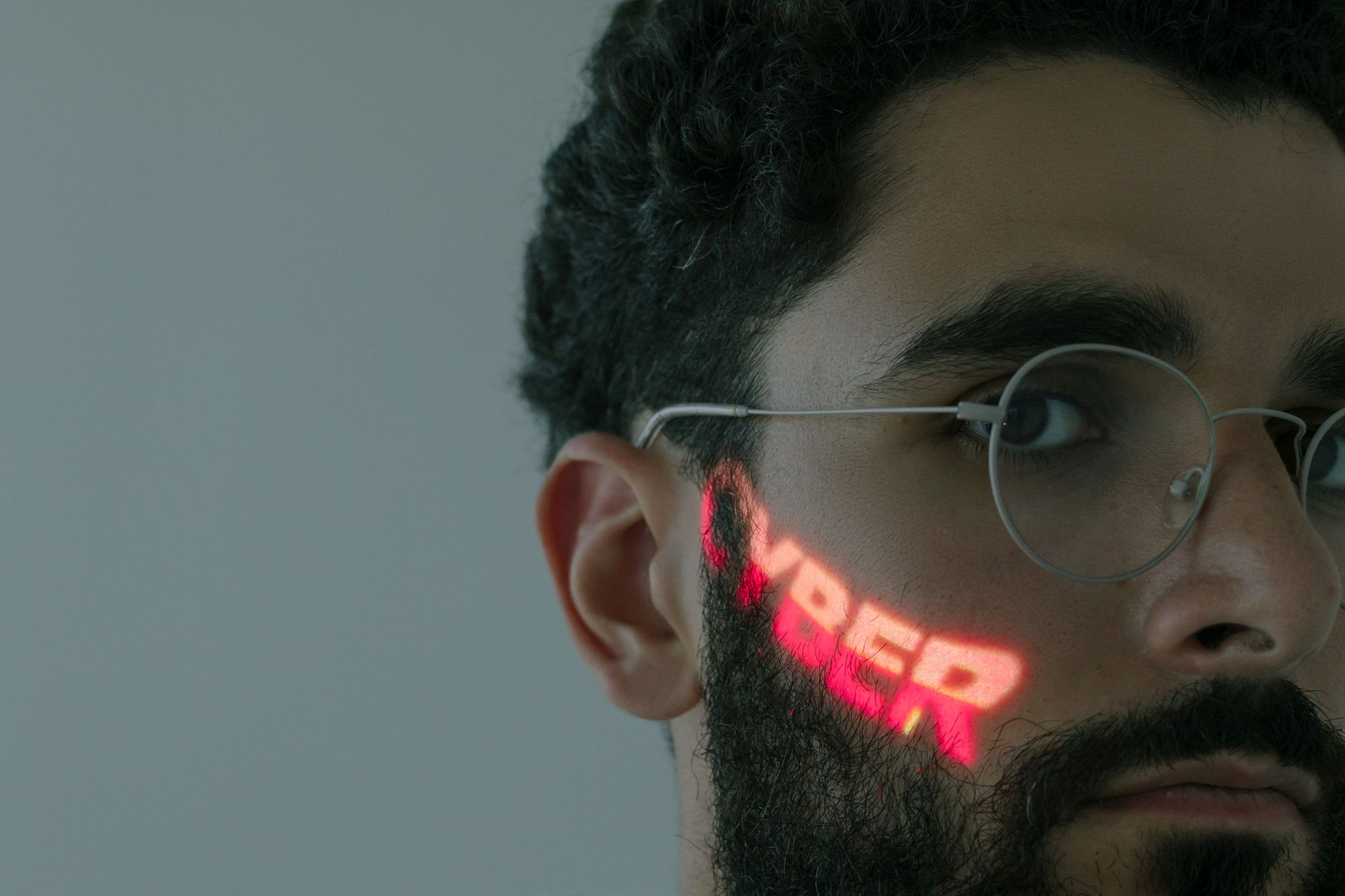
In the rapidly evolving landscape of AI voice technology, ethical considerations are more important than ever. As we integrate AI-generated voices into various applications, from virtual assistants to entertainment, the potential for misuse raises significant concerns. This article delves into the ethics of AI voice technology, focusing on issues of consent, the implications of deepfakes, and the future of audio in a regulated environment.
AI VOICE CONSENT
One of the most pressing ethical dilemmas in AI voice technology is the issue of consent. Voice actors, musicians, and content creators invest considerable time and effort into cultivating their unique vocal identities. The advent of AI voice synthesis means that these voices can be replicated without any direct permission. This raises questions about ownership and the rights of individuals over their own vocal likenesses. For creators, it is crucial to establish clear guidelines around voice consent to ensure that their work is not exploited without their knowledge. Companies like Vocanel AI are pioneering solutions that help creators retain control over their vocal assets, emphasizing the importance of consent in every transaction.
DEEPFAKES AND AUDIO ABUSE
The rise of deepfake technology has transformed the conversation around AI-generated content. While deepfakes can serve creative purposes, such as enhancing storytelling or creating immersive gaming experiences, they also present serious risks. Audio deepfakes can be weaponized for malicious intents, from impersonating individuals to spreading misinformation. This potential for audio abuse highlights the urgent need for ethical standards that govern the use of AI voices. Developers and businesses must tread carefully, weighing the advantages of AI voice technology against the ethical implications of potential misuse. As creators look to leverage these advancements, having a clear understanding of deepfake technology and its ramifications is essential.
REGULATION IN AI VOICE TECHNOLOGY
As the capabilities of AI voice technology expand, so too does the call for regulation. Striking a balance between innovation and ethical responsibility is a challenge that regulators face. The lack of stringent guidelines can lead to a free-for-all environment where the misuse of AI-generated voices flourishes. Effective regulation could provide a framework that protects individuals while allowing for creative freedom. Initiatives that promote transparency in AI voice applications are vital in fostering trust among users and consumers. As industry leaders, platforms like Vocanel AI can play a pivotal role in advocating for responsible practices and contributing to the development of regulations that address the ethical concerns surrounding AI voices.
THE FUTURE OF AUDIO
Looking ahead, the future of audio technology is intertwined with ethical considerations. As businesses and creators embrace AI voice technology, a proactive approach to ethics will be crucial. Engaging in discussions about consent, the implications of deepfakes, and the need for regulation will shape the responsible use of this technology. For game developers and musicians, this means creating content that respects the rights of all individuals involved while still pushing the boundaries of creativity. Ultimately, the goal should be to harness the power of AI voices to enhance experiences without compromising ethical standards. By prioritizing AI ethics, the industry can ensure a future where audio technology enriches lives while upholding fundamental rights.
In conclusion, the ethics of AI voice technology is a multifaceted issue that encompasses consent, the challenges posed by deepfakes, and the need for regulation. As we navigate this new landscape, it is essential for creators, developers, and businesses to remain vigilant about the ethical implications of their work. By fostering a culture of responsibility and transparency, we can work towards a future where AI voice technology serves as a tool for creativity rather than a source of concern.


Comments
No comments yet. Be the first to share your thoughts.
Leave a Comment
Sign in to leave a comment
Join the conversation — it only takes a second.