tutorial
3 min read
From Script to Audio: A Complete Guide to AI Voiceover Production
Explore the seamless journey from script to audio with AI voiceover production and discover how to enhance your projects using TTS tools.
V
Vocanel Hub
September 13, 2026

In today's digital landscape, the demand for high-quality voiceovers is growing rapidly. Whether you're a content creator, game developer, musician, or business owner, the ability to produce engaging audio content can make a significant difference in your projects. But how do you turn your written scripts into captivating audio? This guide will walk you through the entire process of AI voiceover production, exploring the workflow, tools, and best practices that can help you achieve professional-sounding results.
UNDERSTANDING THE VOICEOVER WORKFLOW
The journey from script to audio begins with a well-crafted script. A strong script sets the foundation for your voiceover, ensuring that the message resonates with your target audience. When writing your script, consider the tone, pacing, and emotional impact you want to convey. It's essential to keep your audience in mind; for instance, a promotional script might need a more upbeat tone, while a training video could benefit from a calm, informative approach. Once your script is ready, it's time to choose the right AI production tools to bring it to life.
ENTER AI VOICEOVER TECHNOLOGY
AI voiceover technology has revolutionized the way we produce audio content. With advancements in Text-to-Speech (TTS) tools, you can now generate voiceovers that sound remarkably human-like. Platforms like Vocanel AI offer an array of voices and accents, enabling you to find the perfect match for your project. The beauty of AI production lies in its efficiency; you can generate high-quality audio in a fraction of the time it would take to record with a human voice actor. Plus, many TTS tools allow you to customize pitch, speed, and intonation, giving you greater control over the final output.
OPTIMIZING YOUR AUDIO OUTPUT
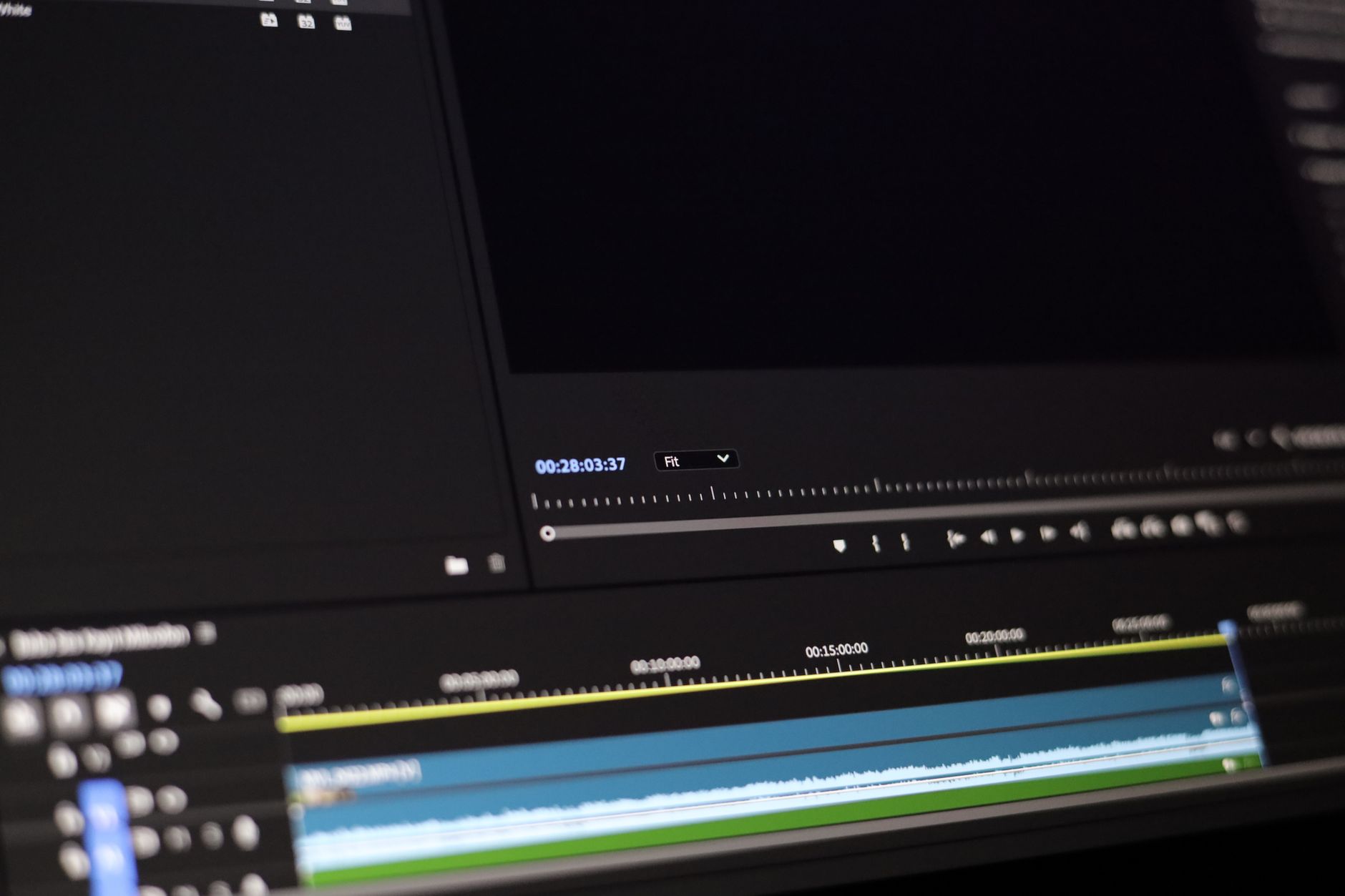
Once you've selected your TTS tool and generated your voiceover, the next step is to optimize the audio output. This involves editing the audio file to ensure clarity and enhance the overall listening experience. Use audio editing software to trim any unnecessary pauses, adjust volume levels, and even add background music or sound effects if appropriate. Remember to listen back to your audio critically; does it align with your initial vision? Does it engage the listener as intended? These are crucial questions to address before finalizing your production.
INTEGRATING AI VOICEOVER INTO YOUR PROJECTS
The final step in the AI voiceover production process is integration. Whether you're adding voiceovers to videos, podcasts, games, or interactive applications, seamless integration can significantly enhance the user experience. Pay attention to timing; ensure that your audio matches the visuals or interactions on-screen. Additionally, consider accessibility; providing audio content can make your projects more inclusive, catering to individuals with different learning preferences or those who have visual impairments.
CONCLUSION
In conclusion, transforming a script into audio through AI voiceover production is an accessible and efficient process that can elevate your projects to new heights. By understanding the workflow, leveraging advanced TTS tools, optimizing your audio output, and integrating it thoughtfully into your work, you can create compelling audio content that resonates with your audience. Platforms like Vocanel AI are excellent resources for anyone looking to explore the potential of AI voice technology. Embrace this innovative approach and watch your projects come to life with engaging voiceovers.
UNDERSTANDING THE VOICEOVER WORKFLOW
The journey from script to audio begins with a well-crafted script. A strong script sets the foundation for your voiceover, ensuring that the message resonates with your target audience. When writing your script, consider the tone, pacing, and emotional impact you want to convey. It's essential to keep your audience in mind; for instance, a promotional script might need a more upbeat tone, while a training video could benefit from a calm, informative approach. Once your script is ready, it's time to choose the right AI production tools to bring it to life.
ENTER AI VOICEOVER TECHNOLOGY
AI voiceover technology has revolutionized the way we produce audio content. With advancements in Text-to-Speech (TTS) tools, you can now generate voiceovers that sound remarkably human-like. Platforms like Vocanel AI offer an array of voices and accents, enabling you to find the perfect match for your project. The beauty of AI production lies in its efficiency; you can generate high-quality audio in a fraction of the time it would take to record with a human voice actor. Plus, many TTS tools allow you to customize pitch, speed, and intonation, giving you greater control over the final output.
OPTIMIZING YOUR AUDIO OUTPUT
Once you've selected your TTS tool and generated your voiceover, the next step is to optimize the audio output. This involves editing the audio file to ensure clarity and enhance the overall listening experience. Use audio editing software to trim any unnecessary pauses, adjust volume levels, and even add background music or sound effects if appropriate. Remember to listen back to your audio critically; does it align with your initial vision? Does it engage the listener as intended? These are crucial questions to address before finalizing your production.
INTEGRATING AI VOICEOVER INTO YOUR PROJECTS
The final step in the AI voiceover production process is integration. Whether you're adding voiceovers to videos, podcasts, games, or interactive applications, seamless integration can significantly enhance the user experience. Pay attention to timing; ensure that your audio matches the visuals or interactions on-screen. Additionally, consider accessibility; providing audio content can make your projects more inclusive, catering to individuals with different learning preferences or those who have visual impairments.
CONCLUSION
In conclusion, transforming a script into audio through AI voiceover production is an accessible and efficient process that can elevate your projects to new heights. By understanding the workflow, leveraging advanced TTS tools, optimizing your audio output, and integrating it thoughtfully into your work, you can create compelling audio content that resonates with your audience. Platforms like Vocanel AI are excellent resources for anyone looking to explore the potential of AI voice technology. Embrace this innovative approach and watch your projects come to life with engaging voiceovers.


Comments
No comments yet. Be the first to share your thoughts.
Leave a Comment
Sign in to leave a comment
Join the conversation — it only takes a second.