technology
4 min read
How AI Voice Cloning Works in 2026
Explore the advancements in AI voice cloning technology in 2026 and how it benefits creators and businesses alike.
V
Vocanel Hub
September 22, 2026
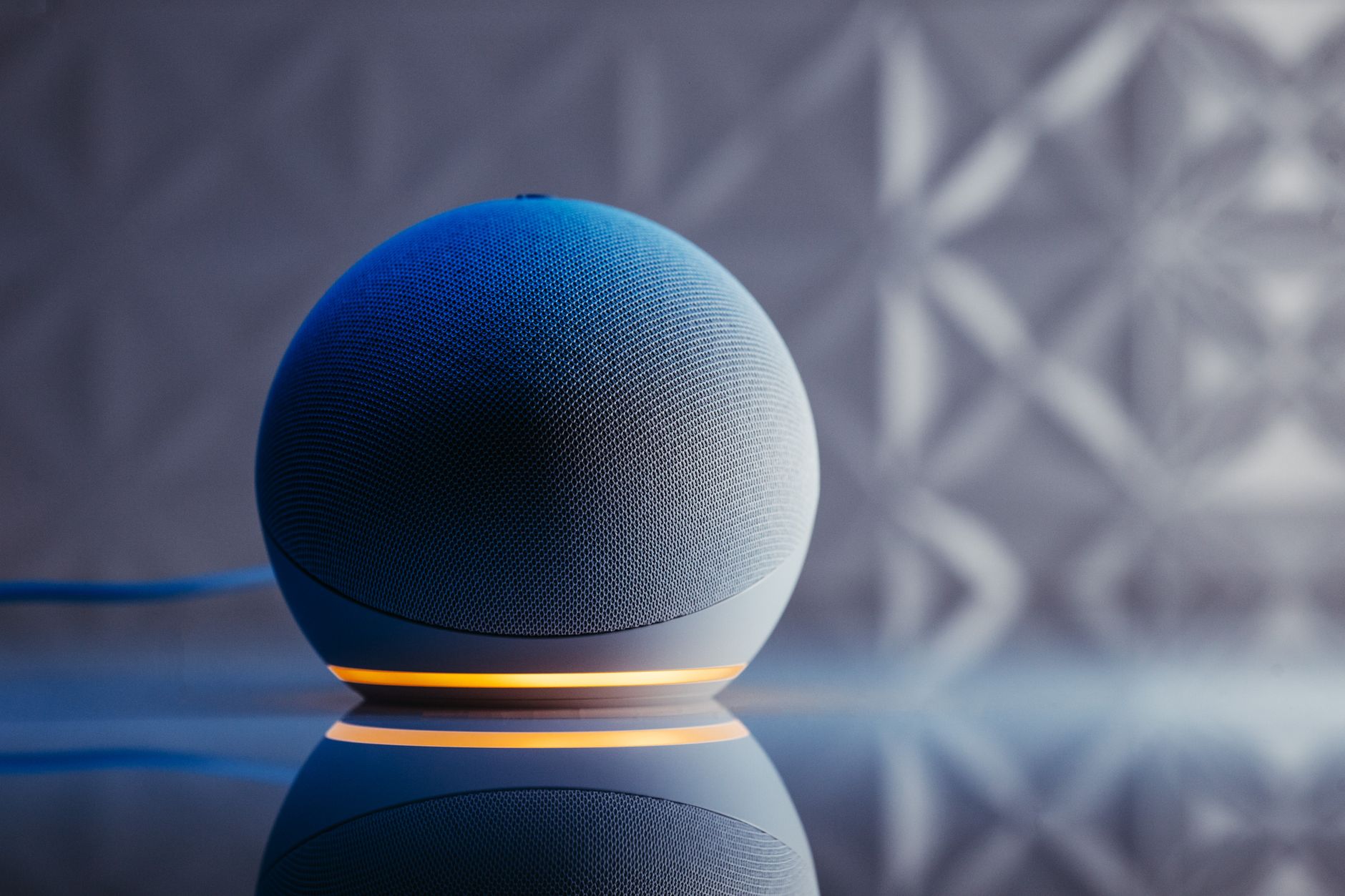
In the ever-evolving landscape of technology, 2026 brings groundbreaking advancements in AI voice cloning that are reshaping how we interact with machines and each other. As voice technology becomes increasingly integrated into our daily lives, understanding the mechanisms behind AI voice cloning is essential for creators, game developers, musicians, and businesses alike. This article delves into the core concepts of voice cloning, the role of neural networks, and the innovative techniques like vocoder and waveform synthesis that are driving this revolution.
AI VOICE CLONING DEMYSTIFIED
At its core, voice cloning is the process of creating a synthetic voice that closely mimics the characteristics of a human voice. In 2026, this technology has progressed significantly, enabling highly realistic and personalized voice synthesis. By analyzing vast amounts of voice data, AI systems can capture the unique nuances of an individual's speech patterns, tone, and emotional inflections. This allows for the generation of a voice that is indistinguishable from the original speaker, which is particularly valuable for industries relying on voiceovers, interactive media, and customer service.
The magic behind voice cloning lies in advanced neural networks, particularly models designed for deep learning. These networks can analyze audio samples and learn the distinct features of a voice, creating a digital representation that can be manipulated and reproduced. As the technology has matured, platforms like Vocanel AI have incorporated cutting-edge neural network architectures that enhance the quality and fidelity of cloned voices, making the process more accessible for users who may not have extensive technical expertise.
THE ROLE OF VOCODERS IN VOICE CLONING
One of the pivotal technologies in AI voice cloning is the vocoder, which plays a crucial role in transforming audio signals into a format that AI can analyze and synthesize. A vocoder works by breaking down the audio signal into its component parts, capturing the essence of the voice while eliminating unnecessary background noise. This allows the AI to focus on the key features that define a voice, such as pitch, timbre, and cadence.
In 2026, vocoders have become more sophisticated, providing enhanced clarity and accuracy in voice cloning. By leveraging advanced signal processing techniques, these tools enable the creation of voices that not only sound natural but also carry emotional depth—an essential aspect for applications in storytelling, gaming, and virtual interactions. The continued evolution of vocoders contributes to the seamless integration of synthetic voices into user experiences, allowing creators to establish deeper connections with their audiences.
WAVEFORM SYNTHESIS: THE FUTURE OF VOICE CLONING
Waveform synthesis is another critical technique that has emerged in the realm of AI voice cloning. This method involves generating audio waveforms directly, rather than relying on pre-recorded samples. By synthesizing waveforms from scratch, AI can produce voices that are not only unique but also adaptable to various contexts and emotions.
In practical applications, waveform synthesis allows for dynamic voice generation, where the AI can adjust the output in real-time based on the desired emotion or tone. This opens up exciting possibilities for interactive experiences, such as video games or virtual assistants, where the voice can respond contextually to the user's actions or inquiries. As businesses explore these innovations, platforms like Vocanel AI are at the forefront, providing tools that empower developers and creators to harness the full potential of waveform synthesis in their projects.
CONCLUSION
As we move through 2026, the advancements in AI voice cloning stand to transform the creative and business landscapes. With the integration of neural networks, sophisticated vocoders, and innovative waveform synthesis, the possibilities for personalized and immersive voice experiences are vast. For creators, game developers, musicians, and businesses, understanding these technologies will unlock new opportunities for storytelling and engagement. As platforms like Vocanel AI continue to innovate, the future of voice technology promises to be more imaginative and human-like than ever before.


Comments
No comments yet. Be the first to share your thoughts.
Leave a Comment
Sign in to leave a comment
Join the conversation — it only takes a second.