technology
4 min read
How AI Voice Cloning Works in 2026
Discover the inner workings of AI voice cloning in 2026 and how it impacts creators, developers, and businesses with advanced technology.
V
Vocanel Hub
November 1, 2026
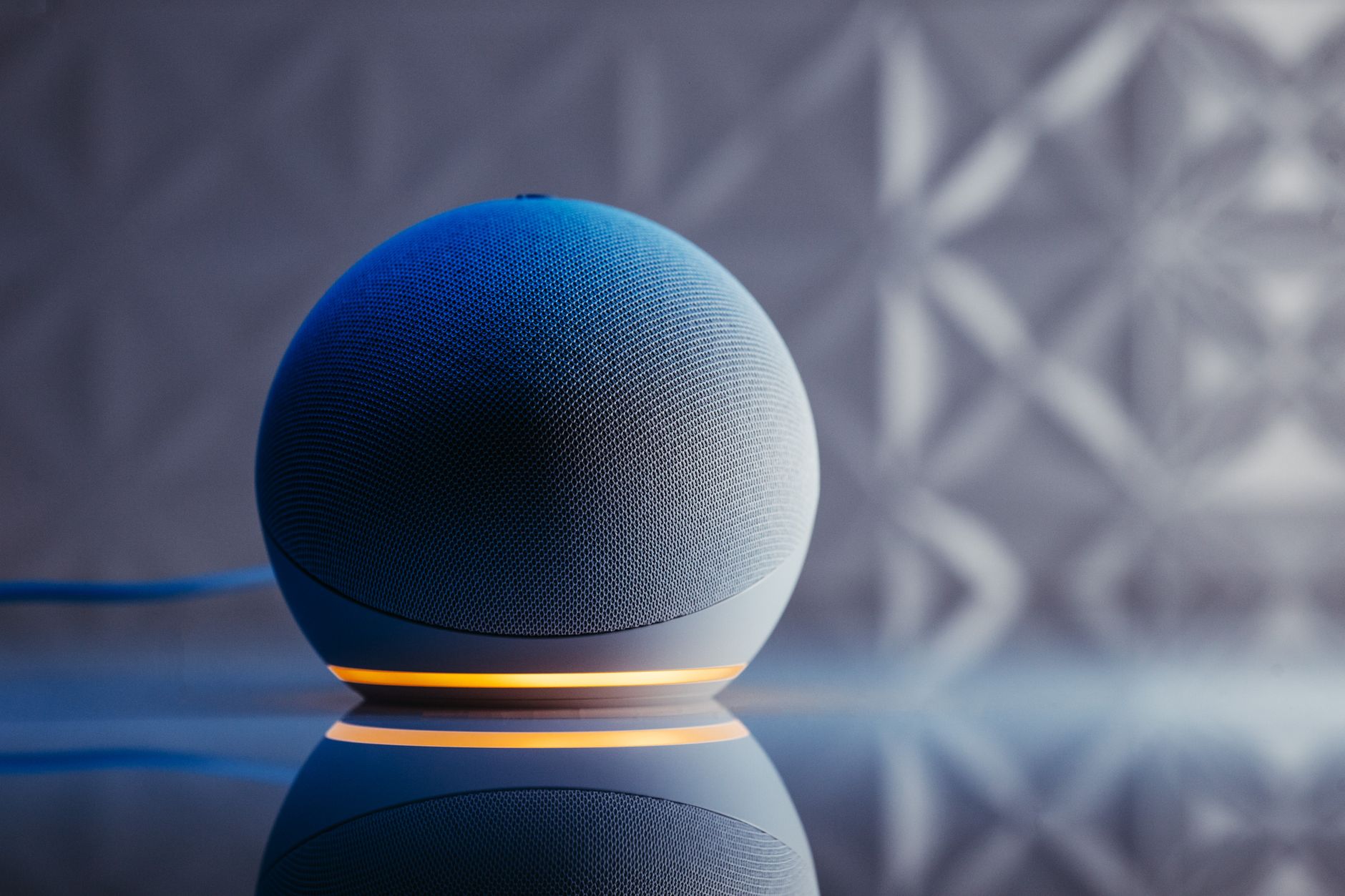
In the rapidly evolving landscape of technology, AI voice cloning has emerged as a groundbreaking innovation, capturing the attention of creators, game developers, musicians, and businesses alike. As we step into 2026, the advancements in artificial intelligence and neural networks have transformed the way we think about voice synthesis. But what exactly is AI voice cloning, and how does it work? Let’s explore the intricacies of this technology and its implications for various industries.
UNDERSTANDING VOICE CLONING
At its core, voice cloning is the process of creating a digital replica of a human voice using AI algorithms. By analyzing voice samples, AI systems can learn the unique characteristics of a speaker’s voice, including tone, pitch, and cadence. In 2026, the voice cloning process is greatly enhanced by the use of advanced neural networks that enable more accurate and natural-sounding voice reproduction. These networks are designed to mimic the human brain’s ability to learn and process language, making them ideal for voice synthesis applications. With platforms like Vocanel AI leading the way, the voice cloning process has become more accessible and user-friendly for various applications.
THE ROLE OF NEURAL NETWORKS
Neural networks are the backbone of AI voice cloning technology. They consist of interconnected layers of nodes that work together to analyze and generate sound waves. When a voice sample is fed into the system, the neural network breaks down the audio into its fundamental components. This includes understanding the phonetics, emotional nuances, and speech patterns of the original voice. In 2026, the sophistication of these networks has reached new heights, allowing them to generate voices that are not only indistinguishable from the original but also capable of expressing a range of emotions. This makes the technology particularly appealing for creators looking to add a personal touch to their projects or businesses seeking to enhance customer interactions.
VOCODER AND WAVEFORM SYNTHESIS
Another critical component of AI voice cloning is the vocoder, which plays a vital role in waveform synthesis. The vocoder takes the outputs from the neural network and transforms them into an audio waveform that can be played back as sound. The result is a voice that sounds remarkably similar to the original speaker, with a range of tonal qualities and inflections. In 2026, vocoders have evolved to work seamlessly with neural networks, enabling real-time voice synthesis that can adapt to different contexts and environments. This is particularly beneficial for game developers who want to create immersive experiences or for businesses that need to generate voice responses on-the-fly.
IMPACT ON CREATORS AND BUSINESSES
The implications of AI voice cloning technology in 2026 are vast. For creators, the ability to produce high-quality voiceovers without the need for a physical voice actor opens up new avenues for storytelling and content creation. Musicians can experiment with vocal styles that were previously unattainable, while game developers can create dynamic characters with unique voices that evolve with the gameplay. Businesses, too, can leverage AI voice cloning to enhance customer service through personalized voice interactions, making their brand more relatable and engaging. Platforms like Vocanel AI are at the forefront of this revolution, providing tools that empower users to explore the creative possibilities of voice cloning.
CONCLUSION
As we look ahead in 2026, AI voice cloning represents a significant leap forward in voice technology. With the combination of advanced neural networks, sophisticated vocoders, and waveform synthesis, the prospects for creators, developers, musicians, and businesses are limitless. By harnessing the power of voice cloning, we can create more personalized, immersive, and engaging experiences for audiences around the world. As the technology continues to evolve, platforms like Vocanel AI will play a pivotal role in shaping the future of voice synthesis and its applications across various industries.


Comments
No comments yet. Be the first to share your thoughts.
Leave a Comment
Sign in to leave a comment
Join the conversation — it only takes a second.