technology
3 min read
Real-Time Voice Conversion: What It Is and Who Needs It
Discover the benefits of real-time voice conversion for creators, gamers, and businesses in the evolving landscape of AI voice technology.
V
Vocanel Hub
October 3, 2026
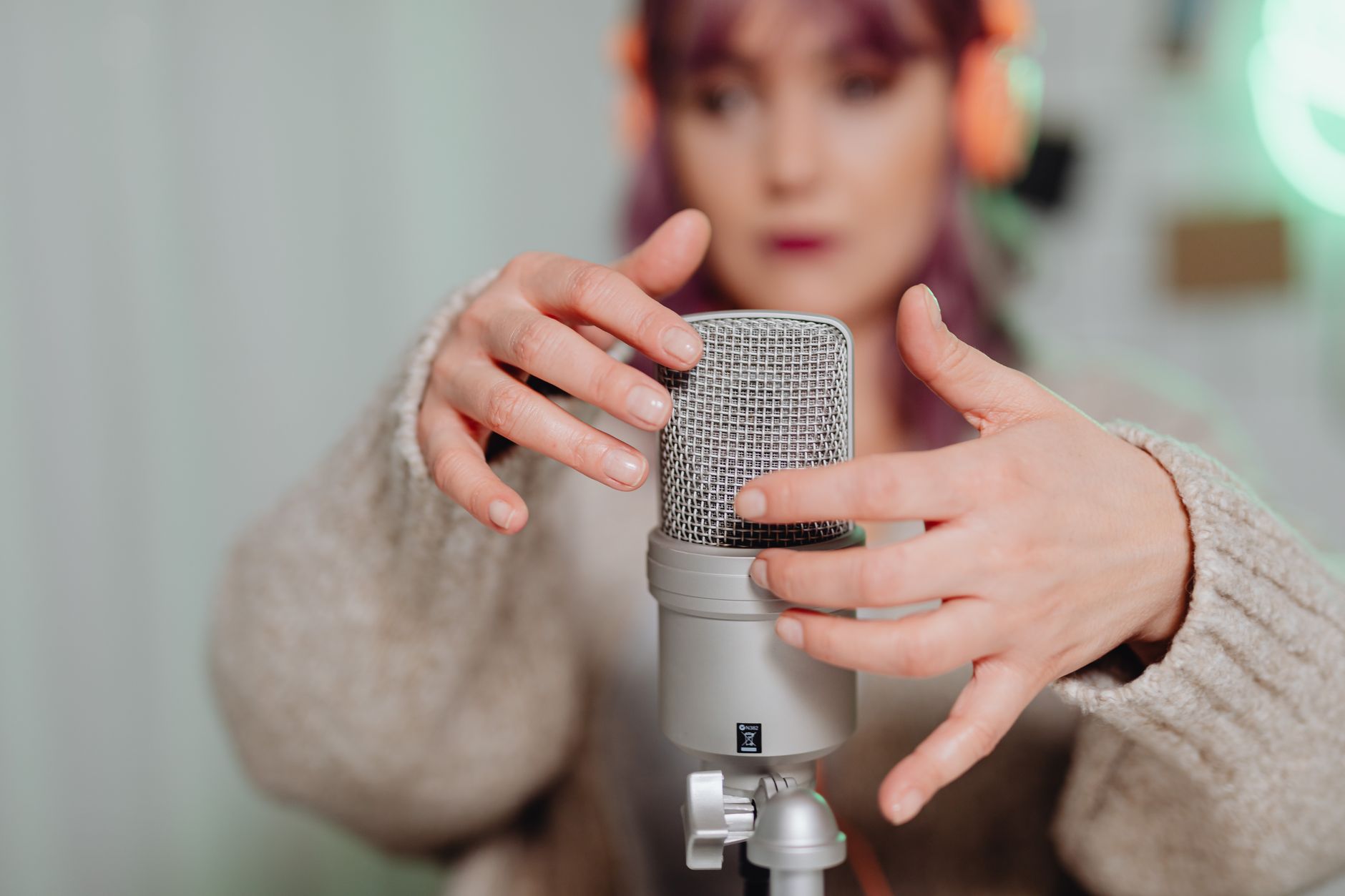
In an era where technology is advancing at lightning speed, real-time voice conversion has emerged as a revolutionary tool that is changing how we experience audio. This technology allows users to modify their voice instantly, offering a wide range of applications from gaming to live streaming. But what exactly is real-time voice conversion, and who stands to benefit the most from it? Let’s dive deeper into this exciting field and explore the possibilities it presents.
WHAT IS REAL-TIME VOICE CONVERSION?
Real-time voice conversion refers to the ability to alter a person’s voice while they are speaking, allowing for immediate changes without any noticeable delay. This technology uses sophisticated algorithms to analyze audio input and transform it into a new voice, whether for fun or practical purposes. By employing AI and machine learning techniques, platforms like Vocanel AI have made this technology accessible, enabling users to experience seamless voice modulation. The applications of real-time voice conversion are vast, and its impact is being felt across various industries, especially in live audio settings.
WHO NEEDS REAL-TIME VOICE CONVERSION?
1. Gamers: With the rise of online multiplayer games, real-time voice conversion has become a staple for many gamers. Players can adopt different personas through voice changers, enhancing their gaming experience by adding a layer of immersion and fun. Whether it’s to surprise friends or create a unique character, gamers find this technology invaluable for engaging gameplay.
2. Content Creators: In the world of streaming, real-time voice conversion allows content creators to stand out. By using a voice changer, they can create distinctive characters or add comedic flair to their streams, keeping their audience entertained. Platforms like Vocanel AI enable streamers to easily integrate voice conversion into their live audio, making it easier than ever to produce high-quality, engaging content.
3. Musicians: For musicians, real-time voice conversion opens up new avenues for creativity. Whether in live performances or studio recordings, artists can experiment with their vocal range by changing their voice in real-time. This flexibility not only enhances their artistic expression but also allows them to create unique soundscapes that captivate listeners.
4. Businesses: Companies exploring AI voice technology can benefit significantly from real-time voice conversion. It can be utilized in customer service applications, where agents can modify their voices to provide a more personalized experience for clients. Additionally, it can be used in marketing campaigns or promotional materials to create catchy jingles or unique audio branding, making businesses more memorable.
THE FUTURE OF REAL-TIME VOICE CONVERSION
As technology continues to progress, the future of real-time voice conversion looks promising. We can expect more advanced features, such as improved voice quality and a wider array of voice options, making it even more appealing for users across different sectors. The integration of AI will likely streamline the use of voice changers, making them easier to use and more accessible for everyone.
In conclusion, real-time voice conversion is transforming the way we interact with audio, offering exciting possibilities for gamers, content creators, musicians, and businesses alike. As this technology continues to evolve, platforms like Vocanel AI are at the forefront, providing the tools and capabilities to harness the power of voice modulation. Whether for fun or professional use, real-time voice conversion is set to become an essential component of the digital landscape.

Comments
No comments yet. Be the first to share your thoughts.
Leave a Comment
Sign in to leave a comment
Join the conversation — it only takes a second.