technology
3 min read
Real-Time Voice Conversion: What It Is and Who Needs It
Discover the benefits of real-time voice conversion for streaming, gaming, and more in the evolving world of AI voice technology.
V
Vocanel Hub
October 21, 2026
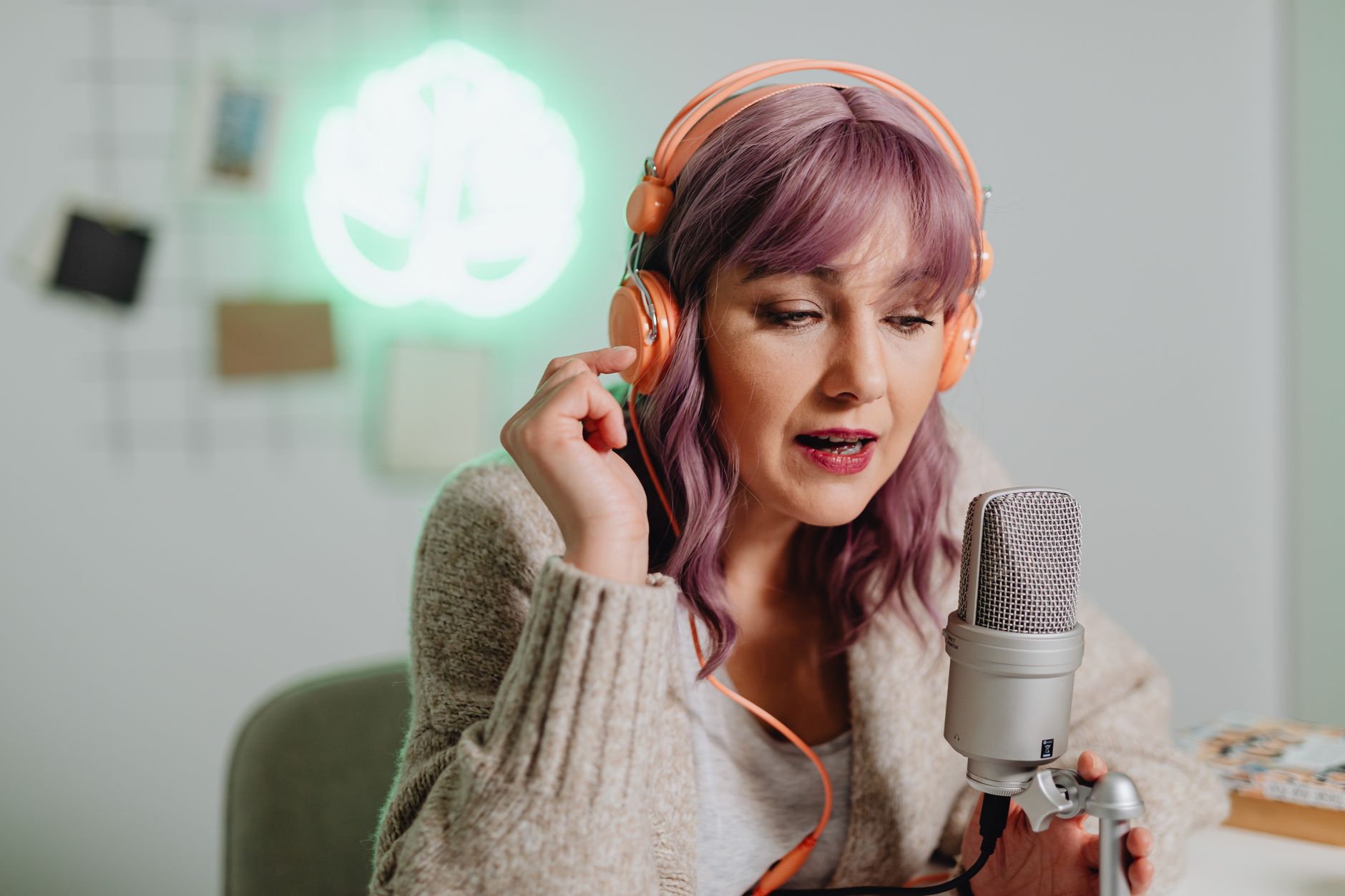
In today's digital landscape, where content creation and communication happen at lightning speed, the demand for innovative technologies is higher than ever. Real-time voice conversion is one such groundbreaking technology that is transforming the way we interact online. But what exactly is real-time voice conversion, and who stands to benefit from it? Let's dive into this fascinating topic and explore how it is reshaping industries from gaming to business.
WHAT IS REAL-TIME VOICE CONVERSION?
Real-time voice conversion refers to the process of altering a person's voice during live audio transmission, allowing for immediate changes in pitch, tone, and even the overall voice character. This technology leverages advanced AI algorithms to manipulate audio signals in real-time, making it possible for users to sound like someone else, or even an entirely different character. This capability has opened up new avenues for creativity, enabling creators and professionals to engage audiences in innovative ways. Platforms like Vocanel AI specialize in offering cutting-edge real-time voice conversion, allowing users to explore a range of voice modulation options seamlessly.
WHO NEEDS REAL-TIME VOICE CONVERSION?
The applications for real-time voice conversion are vast and varied. One of the primary industries that benefit from this technology is gaming. Gamers can use voice changers to enhance their online gameplay experience, adding an element of fun and engagement by adopting different personas or characters. This not only enriches the gaming environment but also fosters a sense of community as players interact with one another in unique ways.
Another group that stands to gain from real-time voice conversion is content creators, particularly streamers. Streaming platforms are incredibly competitive, and having a distinctive voice can set a creator apart. Using voice conversion technology, streamers can entertain their audiences with various character voices or even mimic popular personalities, keeping viewers engaged and entertained. This technology also allows for a level of anonymity, which can be essential for those who prefer to keep their personal lives private while sharing their passion with the world.
Businesses can also leverage real-time voice conversion technology for training and customer engagement. For example, customer service representatives can use voice changers to create a more relatable or friendly tone, improving the overall customer experience. In training scenarios, the ability to simulate different voices can enhance role-playing exercises, making them more effective and enjoyable for participants. As companies continue to embrace remote work and digital communication, the need for innovative tools like real-time voice conversion will only grow.
THE FUTURE OF REAL-TIME VOICE CONVERSION
As AI technology continues to advance, the capabilities of real-time voice conversion are expected to evolve as well. Future improvements may include more natural-sounding conversions and an expansive library of voice profiles. This progress will likely lead to even broader adoption across various sectors, including film production, virtual reality experiences, and marketing campaigns. The potential for creativity and engagement is limitless, and those who invest in this technology today will be well-positioned for the future.
In conclusion, real-time voice conversion is not just a trend; it's a game-changing technology that caters to a wide array of users, from gamers and content creators to businesses looking to enhance their communication strategies. As we continue to explore the capabilities of platforms like Vocanel AI, we find that the possibilities for innovation and engagement are boundless. Embracing this technology can lead to more dynamic interactions, richer experiences, and a stronger connection with audiences. Whether you're a gamer, a streamer, or a business professional, real-time voice conversion is a tool that can elevate your work and redefine how you communicate.

Comments
No comments yet. Be the first to share your thoughts.
Leave a Comment
Sign in to leave a comment
Join the conversation — it only takes a second.