opinion
4 min read
Ethics of AI Voice: Consent, Deepfakes, and the Future of Audio
Explore the ethical implications of AI voice technology, focusing on consent, deepfakes, and the future of audio production.
V
Vocanel Hub
October 20, 2026
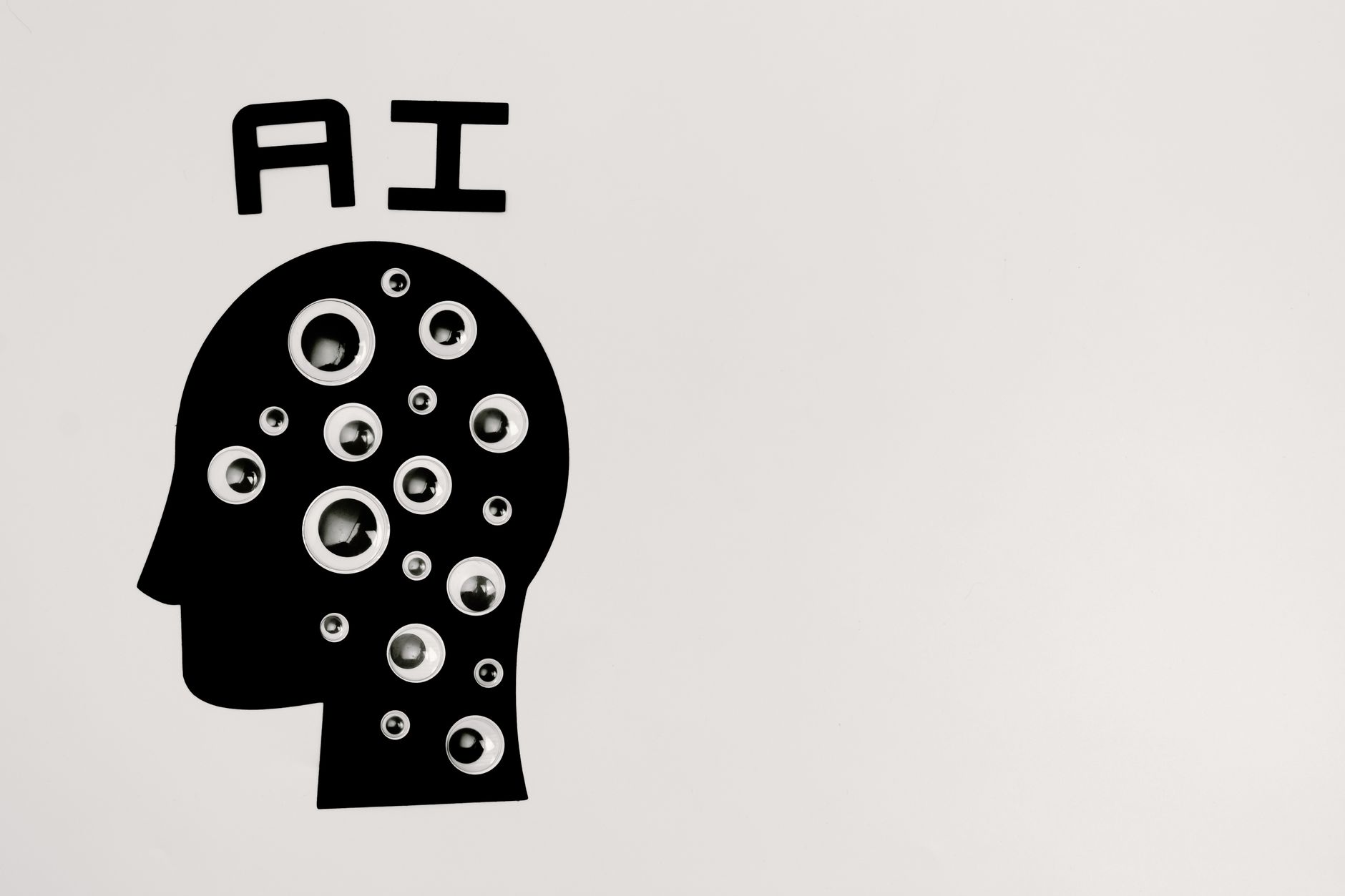
In a world where technology evolves at a breathtaking pace, AI voice technology stands out as a fascinating yet complex innovation. From virtual assistants to audio content creation, the use of synthetic voices is rapidly transforming various industries. However, with great power comes great responsibility, raising critical questions surrounding AI ethics, voice consent, the potential for audio abuse, and the need for regulation. As creators, game developers, musicians, and businesses venture into this new audio frontier, understanding these ethical considerations is paramount.
AI VOICE TECHNOLOGY AND CONSENT
At the heart of the ethical debate surrounding AI voice technology is the issue of consent. The ability to replicate a person’s voice with astonishing accuracy can lead to significant ethical dilemmas. For instance, using someone’s voice without their permission can constitute an invasion of privacy and, in some cases, identity theft. Businesses utilizing AI voice technology must prioritize obtaining explicit consent from individuals whose voices are being emulated. This is not just about legal compliance; it is about respecting the personal rights of individuals. Platforms like Vocanel AI emphasize the importance of voice consent, providing tools that help content creators ensure they have the necessary permissions before using synthetic voices.
DEEPFAKES AND AUDIO ABUSE
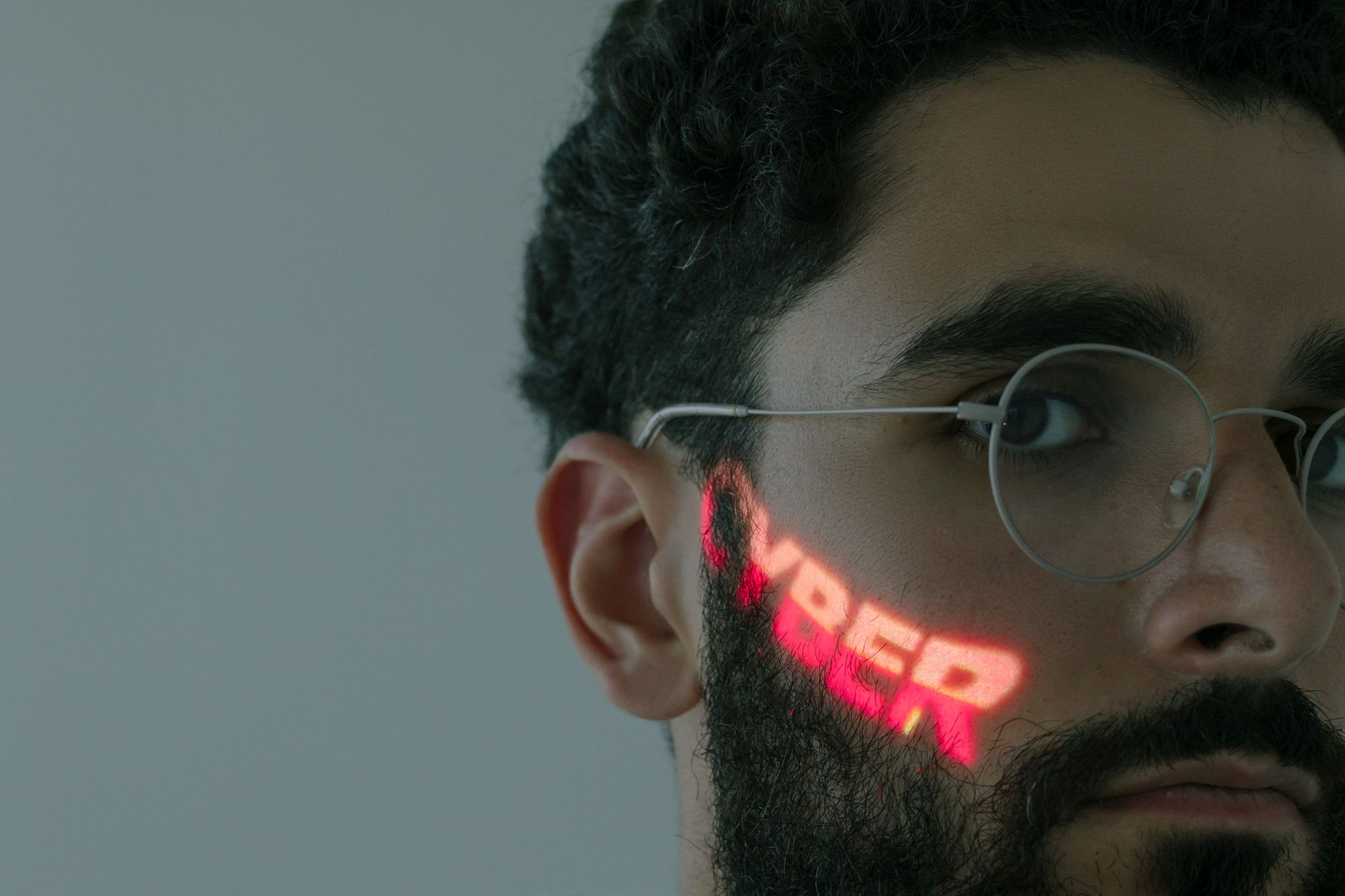
The rise of deepfakes has further complicated the conversation around AI voice technology. Deepfakes, which use AI to create realistic audio and video impersonations, can be used maliciously, leading to misinformation campaigns and audio abuse. For instance, a deepfake of a public figure could be employed to manipulate opinions or spread falsehoods. The very technology that allows for creative storytelling and entertainment can also be weaponized. As creators, it is crucial to be aware of the potential misuse of this technology and take proactive measures to prevent it. This includes understanding the ethical implications and advocating for responsible use, which is essential in maintaining public trust in audio content.
REGULATION IN AI VOICE TECHNOLOGY
As the capabilities of AI voice technology expand, the call for regulation becomes more pressing. Governments and industry leaders must collaborate to establish clear guidelines that address the ethical use of AI voices. Regulation should focus on protecting individuals' rights while fostering innovation. This includes creating standards for obtaining consent, ensuring transparency regarding the use of synthetic voices, and outlining penalties for misuse. By implementing robust regulations, stakeholders can mitigate the risks associated with audio abuse and build a safer environment for creators and consumers alike. Initiatives from organizations, including Vocanel AI, showcase how the industry can lead the way in ethical practices while pushing technological boundaries.
THE FUTURE OF AUDIO AND AI ETHICS
Looking ahead, the future of audio technology will likely be defined by how effectively we navigate these ethical waters. The integration of AI voice technology into creative fields offers unparalleled opportunities for storytelling, accessibility, and customization. However, with these opportunities come responsibility. Creators must educate themselves on AI ethics and strive to use technology that aligns with ethical standards. Continued dialogue within the community, along with robust regulatory frameworks, can help ensure that AI voice applications enhance our culture rather than undermine it. As we embrace the future, it is essential to remain vigilant and committed to ethical practices that prioritize consent, integrity, and respect.
In conclusion, the ethics of AI voice technology is a multifaceted issue that requires thoughtful consideration from all stakeholders involved. The balance between innovation and responsibility is delicate yet crucial. By prioritizing consent, understanding the challenges posed by deepfakes, advocating for regulation, and committing to ethical practices, we can harness the potential of AI voice technology while safeguarding against its pitfalls. As creators and businesses explore these new horizons, platforms like Vocanel AI can provide the necessary tools and guidance to navigate this evolving landscape responsibly.

Comments
No comments yet. Be the first to share your thoughts.
Leave a Comment
Sign in to leave a comment
Join the conversation — it only takes a second.